Think clearly. Wonder freely.
Questions deserve more than quick answers. Here we take hypotheses seriously enough to test them.
Give an idea a fair test.
Begin with a clear claim. Look for evidence that could challenge it. A useful answer tells us both what follows and what remains uncertain.
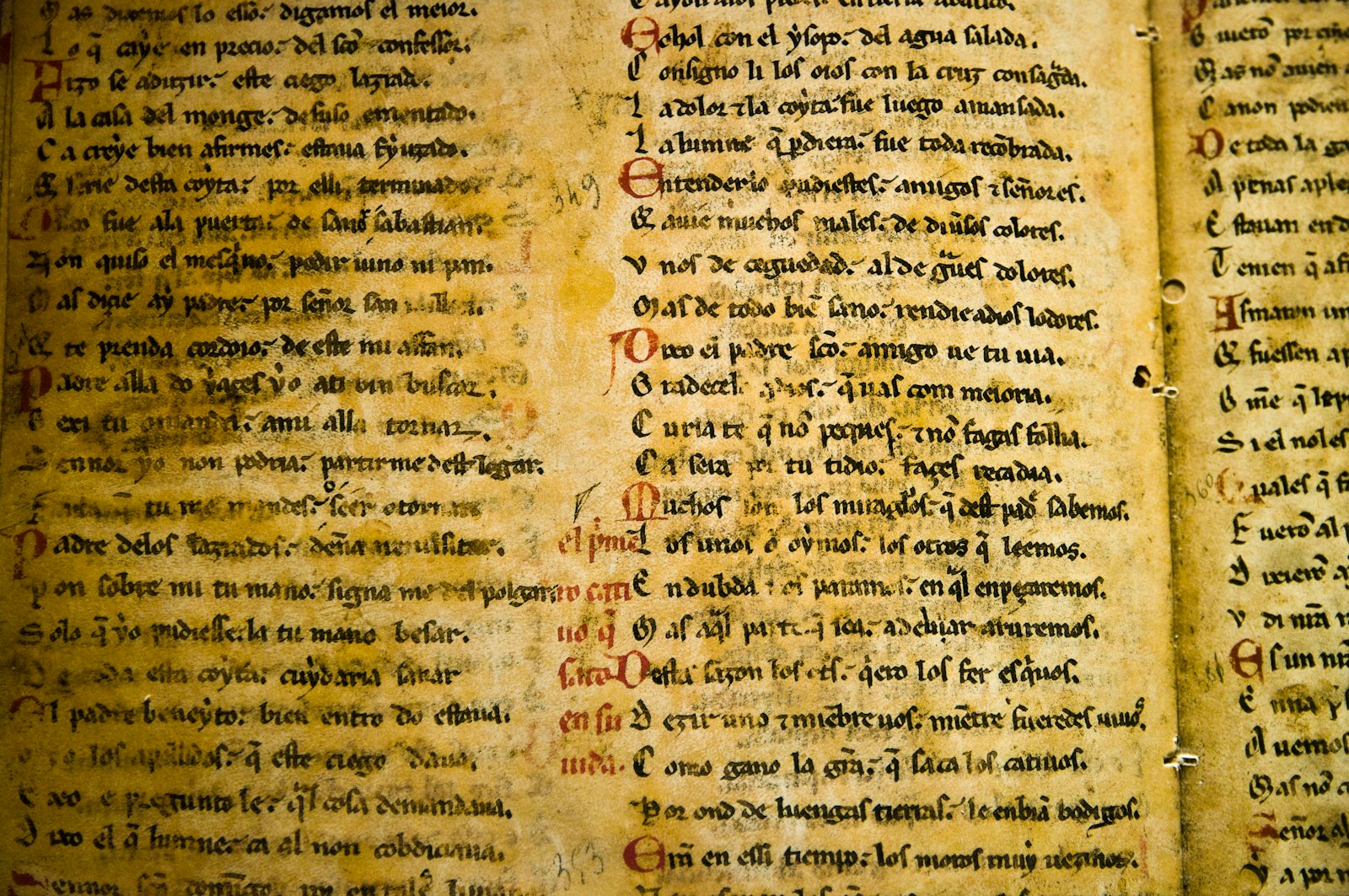
The method
1. State the claim
What exactly is being proposed? Define the idea in a way that could, at least in principle, be examined.
2. Map the evidence
Which observations support it? What is the quality and independence of the sources?
3. Look for alternatives
What other explanations could account for the same facts?
4. Try to disprove it
What would change our minds? Search actively for disconfirming evidence.
5. Label the conclusion
Separate what is known, plausible, speculative and currently untestable.
Questions on our research desk
AI and the information environment. How can we assess authenticity when synthetic content becomes commonplace?
Ancient symbols and modern interpretations. What can sources establish, and where does interpretation begin?
Consciousness and perception. Which explanations are philosophical, empirical or experiential?
These are proposed research directions—not completed investigations or proven claims.
Examine AI and evidence →Explore consciousness →A strong idea is not an idea that cannot be challenged. It is an idea that survives an honest challenge.