Inside this article
THUBAN / KNOWLEDGE LIBRARY · READING GUIDE
An extraordinary family of Jewish texts, with fallen angels, heavenly journeys and visions that deserve historical context as well as imagination.
Not simply one book
The work commonly called 1 Enoch consists of several sections from different periods. Among its most famous narratives are the Watchers: heavenly beings whose transgression leads to disorder on Earth. Other portions concern astronomical traditions, judgment and visionary journeys. The claim that the entire collection was physically written by the biblical Enoch is a religious or literary attribution, not an established modern historical conclusion.
A manuscript trail
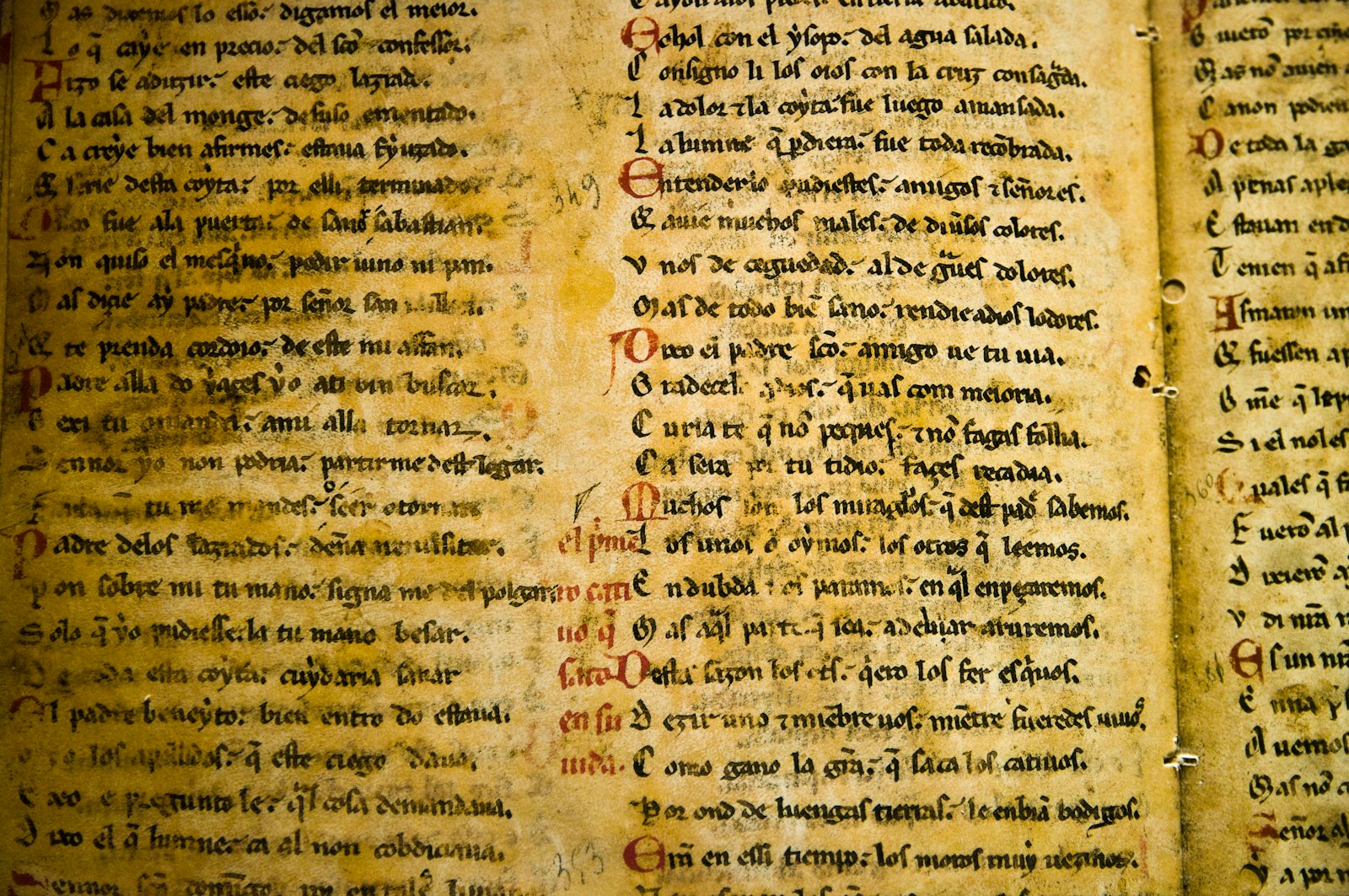
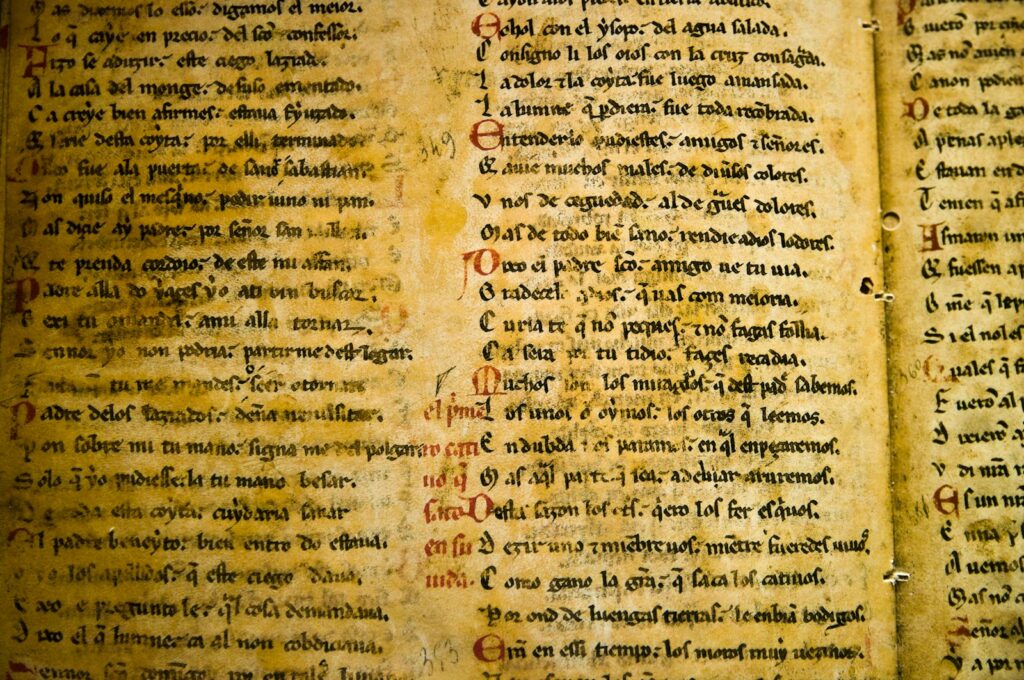
Fragments of Enochic literature were found among the Dead Sea Scrolls near Qumran. The Israel Antiquities Authority identifies the manuscript 4Q201 as an Aramaic Enoch text from Cave 4, assigned to the Hasmonean period. That material evidence is important: it places Enochic compositions within Jewish literary culture before the medieval manuscripts on which modern readers often rely.
What it has to do with Genesis
Genesis 6:1–4 speaks briefly of the sons of God and daughters of humanity. Enochic literature expands this mysterious passage into narratives about forbidden instruction, giants and cosmic disorder. Ancient interpretation could be imaginative and expansive. Comparing the short biblical passage with the elaboration is a way to watch a tradition develop.
Scripture, canon and communities
Different religious communities treat these texts differently. 1 Enoch is especially significant in Ethiopian Christian tradition, while it is not part of the usual Jewish or most other Christian biblical canons. The existence of a manuscript establishes that a text circulated; it does not prove the supernatural events it describes occurred.
How to read critically
Compare translations, ask which portion is being discussed, and distinguish the original text from modern retellings. The dramatic language of heavenly secrets is not a substitute for manuscript dating, linguistic scholarship or historical argument.
Sources and further reading
- Israel Antiquities Authority — Aramaic Enoch manuscript 4Q201
- Dead Sea Scrolls — featured Enoch fragment
Thuban separates historical evidence, scholarly interpretation, and open questions. Last editorial review: 10 October 2026.