THUBAN / THE COLLECTIONS
Philosophy
Philosophers, ethics, ideas and the examined life.
-

Reading the Daodejing: The Power and Limits of Non-Forcing
The Daodejing invites readers to reconsider strength, action and control. Its compact language rewards careful reading—and resists the certainty of a single slogan.
-

Epicurus: The Quiet Art of Having Enough
Pleasure, for Epicurus, raises a demanding question: which desires make life better, and which keep moving the finish line?
-

Time Dilation: Why Clocks Do Not All Tick Alike
Einstein’s relativity does not merely change how scientists describe time. Precise clocks in motion and different gravitational conditions really accumulate different amounts of elapsed time.
-
Heraclitus: Change, Fire and the River of Reality
Heraclitus became the philosopher of change, but the popular slogan ‘everything flows’ hides a subtler puzzle about order, tension and enduring patterns.
-
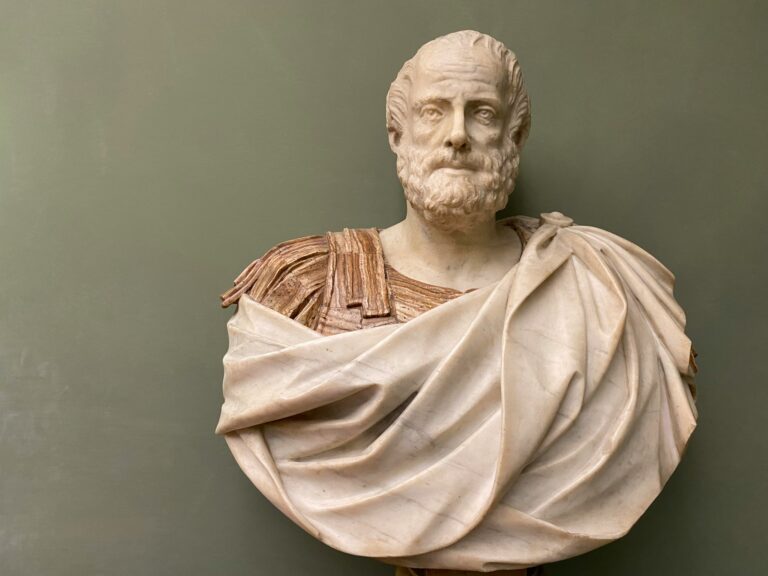
Spinoza: God, Nature and the Freedom to Understand
Spinoza challenged the sharp separation between humanity, nature and the divine. His work asks whether understanding causes can make a person less captive to fear and emotion.
-
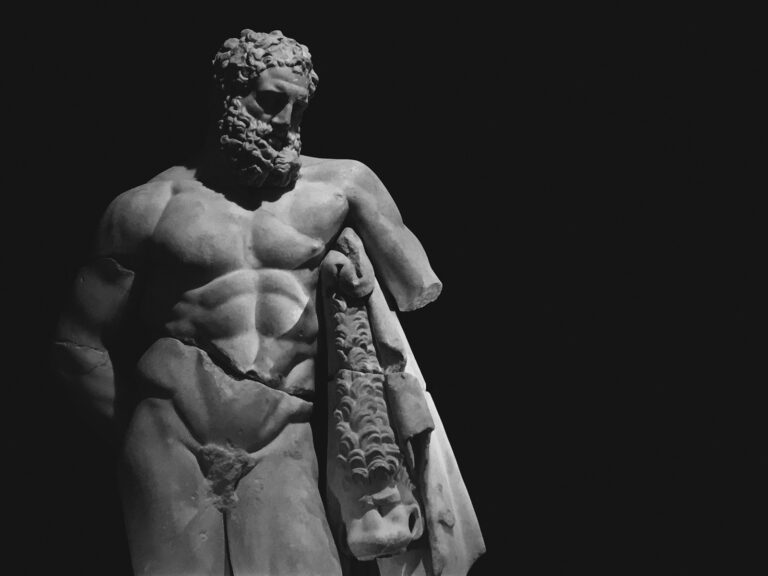
Aristotle: Virtue, Habit and the Art of Living Well
For Aristotle, the good life was not simply pleasure or success. It demanded practical wisdom, good habits, worthwhile relationships and sustained activity across an entire life.
-
Socrates: The Philosopher Who Asked Better Questions
Socrates left no book. Yet a life built around conversation became one of philosophy’s defining examples. What can we actually know about him—and what does it mean to examine a…
-
Pythagoras: The Mathematician We Think We Know
The name Pythagoras evokes a theorem. The historical person behind it, however, is far harder to reconstruct.
-
Stoicism Beyond the Quotes: Logic, Nature and Ethics
Stoicism was never just an art of staying calm. It was a wide philosophical system connecting reasoning, nature and moral life.
-
What Is Consciousness? The Problem Behind Every Experience
Every scientific investigation occurs within experience, yet explaining subjective experience remains one of the deepest questions about mind.