Inside this article
THUBAN / KNOWLEDGE LIBRARY · READING GUIDE
Long before the modern novel, Mesopotamian storytellers explored grief, kingship, mortality and the limits of human power.
The city and the king
Gilgamesh is associated with the city of Uruk. The surviving epic is a layered literary tradition shaped over centuries, not a transcript of one historical event. Different Sumerian tales were later brought into Akkadian compositions. Its hero begins as a powerful king and finds a rival and companion in Enkidu.
The turning point
The death of Enkidu changes the story. Grief forces Gilgamesh to confront his own mortality, sending him on a search for a way to escape death. The extraordinary journey contains monsters, impossible distances and a survivor of a great flood. These dramatic episodes explore a recognizably human fear: that even great achievements may not save us from loss.
The flood tablet
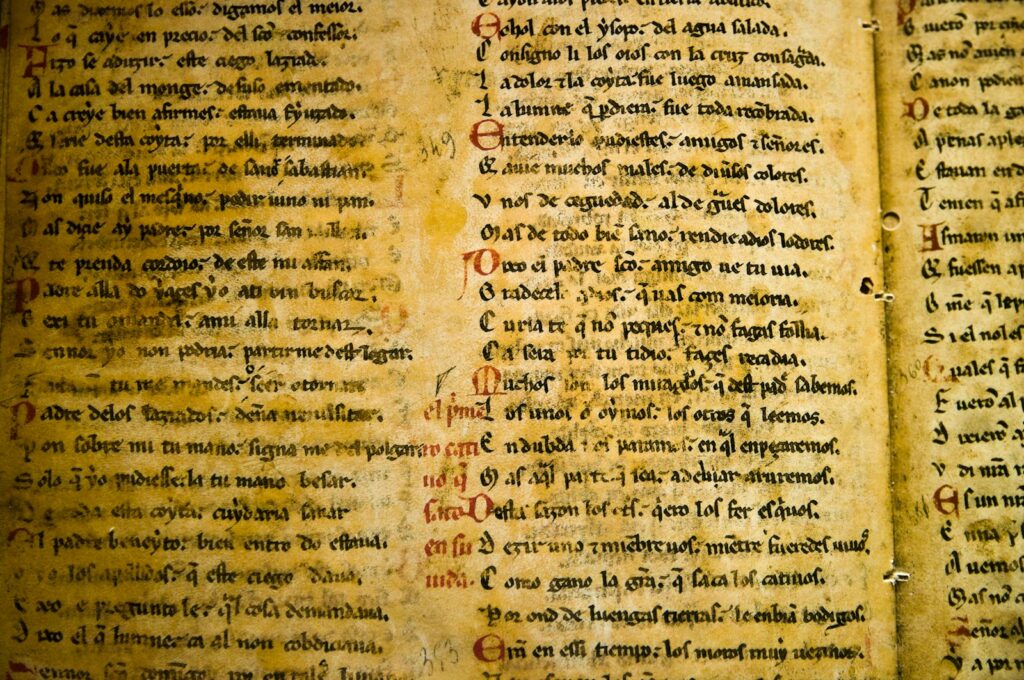
A major material witness is Tablet XI, represented in the British Museum’s collection of fragments associated with the Library of Ashurbanipal. Its flood narrative invites comparison with later flood stories, including Genesis. Parallels are significant evidence of traditions circulating in the ancient Near East, but similarity alone cannot establish the circumstances of a real worldwide flood.
A tale transmitted across cultures
The epic survives through fragmentary clay tablets and scholarly reconstruction. Individual lines can be uncertain. Mesopotamian literature did not belong to a sealed civilization; stories travelled and were rewritten. That makes Gilgamesh both an imaginative work and a case study in how historical knowledge survives.
The larger question
If immortality eludes the hero, what gives a human life value? The epic does not hand readers a modern self-help answer. It places friendship, civic accomplishment and the limits of human ambition beside one another for us to consider.
Sources and further reading
Thuban separates historical evidence, scholarly interpretation, and open questions. Last editorial review: 10 October 2026.