THUBAN / THE COLLECTIONS
admin
-
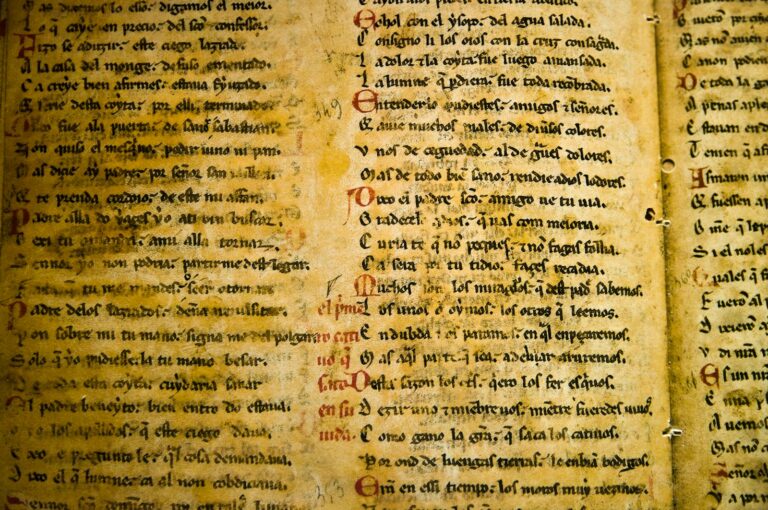
The Dead Sea Scrolls: What Was Actually Found?
Thousands of ancient manuscript fragments transformed the study of Judaism and the history of biblical texts. Their significance lies in evidence we can examine, not in invented secrets.
-
Heraclitus: Change, Fire and the River of Reality
Heraclitus became the philosopher of change, but the popular slogan ‘everything flows’ hides a subtler puzzle about order, tension and enduring patterns.
-
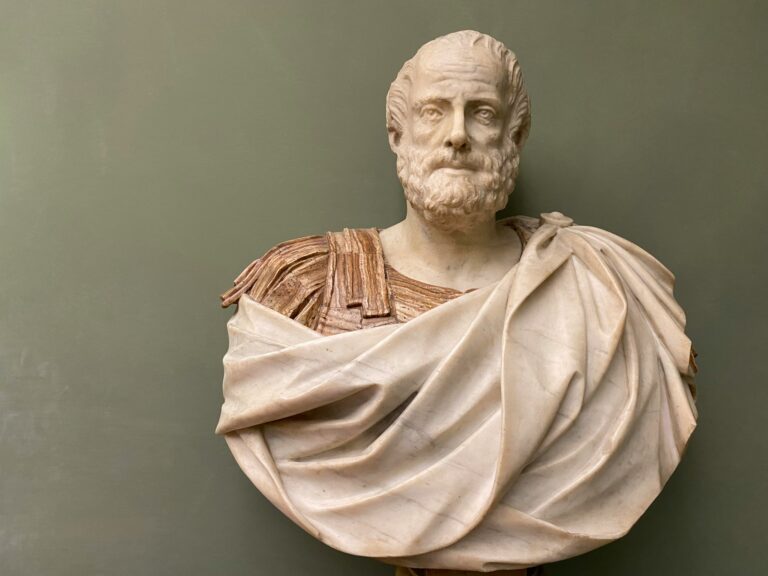
Spinoza: God, Nature and the Freedom to Understand
Spinoza challenged the sharp separation between humanity, nature and the divine. His work asks whether understanding causes can make a person less captive to fear and emotion.
-
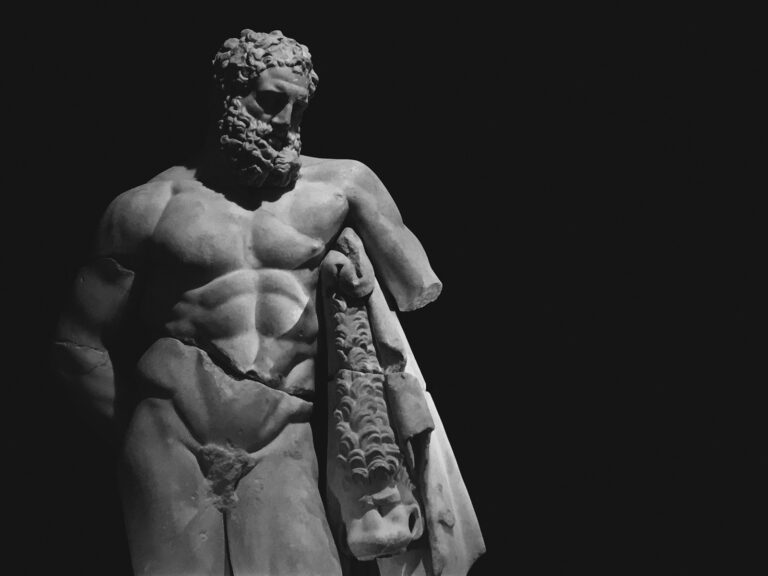
Aristotle: Virtue, Habit and the Art of Living Well
For Aristotle, the good life was not simply pleasure or success. It demanded practical wisdom, good habits, worthwhile relationships and sustained activity across an entire life.
-
Socrates: The Philosopher Who Asked Better Questions
Socrates left no book. Yet a life built around conversation became one of philosophy’s defining examples. What can we actually know about him—and what does it mean to examine a…
-
Can We Trust What We See? AI, Synthetic Media and Evidence
Generative AI makes authentic-looking material easier to manufacture. Better verification must rely on chains of evidence, not only visual intuition.
-
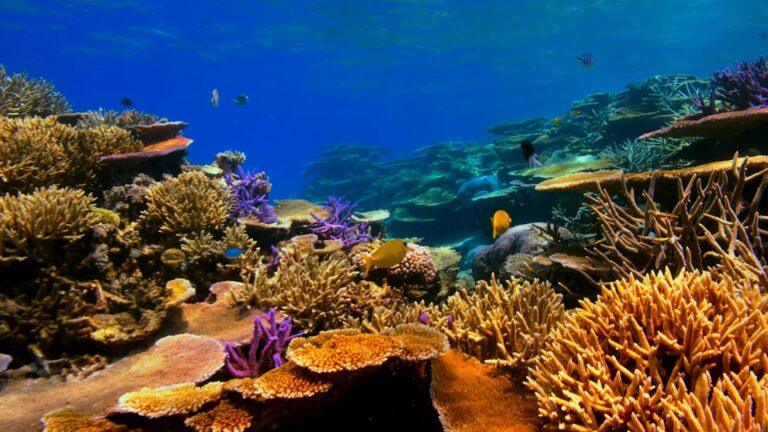
The Mantis Shrimp: Extraordinary Eyes, Unexpected Vision
More kinds of photoreceptors do not automatically mean better colour vision. The mantis shrimp shows why evolution is rarely that simple.
-
Pythagoras: The Mathematician We Think We Know
The name Pythagoras evokes a theorem. The historical person behind it, however, is far harder to reconstruct.
-
Thuban Daily — 10 October 2026 | The World, Examined
Germany’s political debate, AI safety incidents, public opinion, cosmic neutrinos, ancient Alexandria and the world economy.
-
Stoicism Beyond the Quotes: Logic, Nature and Ethics
Stoicism was never just an art of staying calm. It was a wide philosophical system connecting reasoning, nature and moral life.